A Comprehensive Overview of Eyebrow Transplants
Eyebrow transplants can restore shape and density by moving individual hair follicles—most often with FUE—from a donor area on the scalp into the brow at very shallow, natural angles. This article explains who commonly considers the procedure, how grafts are harvested and placed, what to expect from early shedding to full growth over roughly a year, and the most important tradeoffs like ongoing trimming and limits on density. You’ll also learn how clinics typically estimate cost by graft count and complexity, what questions to ask about direction control and graft selection, and how to track progress with organized photos and aftercare notes.
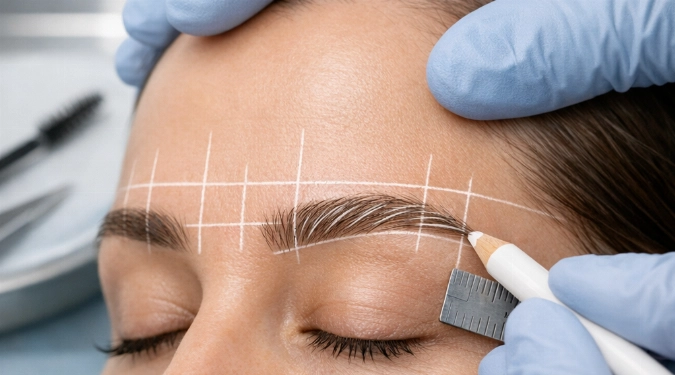
Eyebrow transplants sit at the intersection of artistry and surgery: tiny hair follicles are moved, one by one, to rebuild shape, density, or symmetry. This overview walks through how an Eyebrow transplant is done, what results typically look like over time, what recovery involves, and how to compare clinics with confidence.
What An Eyebrow Transplant Is
An eyebrow transplant is a type of follicular unit transplant (FUT) or, more commonly today, follicular unit extraction (FUE). Hair is harvested from a donor area—usually the back of the scalp where hairs are resistant to shedding—then implanted into the brow in a pattern that matches natural direction, spacing, and arch.
This is different from microblading or cosmetic tattooing: transplanted follicles can keep growing like scalp hair. That can be a plus for fullness, but it also means ongoing trimming is typically part of maintenance.
Who Typically Considers It
People often explore transplants after over-plucking, scarring, burns, traction from habitual rubbing, or brow loss related to some medical conditions. It’s also used for naturally sparse brows or to refine an arch after earlier cosmetic work. A consult usually focuses on skin quality, any active inflammation, and whether donor hair characteristics (curl, thickness, color) will blend naturally.
For patients comparing choices, it can help to view an Eyebrow transplant before and after gallery with consistent lighting and timelines, because early photos can look misleading while hairs are still shedding and regrowing.
How The Procedure Is Performed
Donor Harvesting And Graft Preparation
With FUE, a clinician uses a small punch (often about 0.8 to 1.0 millimeters) to remove individual follicular units. Technicians then sort grafts—many surgeons prefer single-hair grafts for the front of the brow to keep the edge soft.
Site Creation And Placement
The most technically demanding step is creating recipient sites at extremely shallow angles so the hairs lie flat. Direction changes across the brow (head, body, tail), and the surgeon must mimic natural “cross-hatching” so the final result doesn’t look like parallel lines.
Timeline: What Happens From Week One To Month Twelve
Right after surgery, brows can look darker and fuller due to tiny scabs and swelling. In the first several weeks, many transplanted hairs shed—this is typically expected as follicles reset. New growth often becomes noticeable around months three to four, with stronger cosmetic impact around months six to nine. Final maturation can continue up to around a year as hairs thicken and settle into a more natural look.
Because these are living follicles, grooming matters. Many patients trim every one to two weeks and may train hairs with a spoolie and a light brow gel while the direction stabilizes.
Benefits, Limits, And Common Tradeoffs
A successful transplant can create real, touchable hair where little existed before, and it can be shaped over time with routine grooming. The main tradeoffs are that transplanted hair can behave like scalp hair (ongoing trimming), and density is limited by blood supply and safe packing. Some patients need a second session to build fullness, especially if starting from very sparse brows.
Common short-term effects include redness, swelling, itching, and visible crusting. Less common risks include infection, ingrown hairs, poor growth, or an unnatural direction if angle control is off—one reason surgeon experience matters so much for this area.
Understanding Cost Without Guesswork
Clinics usually price eyebrow restoration by graft count and complexity. Instead of focusing on a single “average,” ask for a written estimate that separates surgeon fees, facility fees, and follow-up visits. Also confirm what happens if growth is below expectations—some practices offer a revision policy, while others treat repeat work as a new procedure. Financing may be available through companies like CareCredit or Alphaeon Credit, depending on the clinic.
Choosing A Clinic And What To Ask
Look for a surgeon who regularly performs hair restoration and can show multiple healed cases at six to twelve months, not only immediate post-op images. If you’re specifically researching hair transplant eyebrows Miami options, compare how each clinic documents directionality, graft selection (single-hair vs multi-hair), and long-term grooming expectations.
- How many eyebrow cases do you perform per month or year?
- Do you use FUE, FUT, or both, and why for my donor hair?
- What graft range do you expect, and where will the donor hair come from?
- Who places the grafts: the surgeon, a team, or both?
- What is your plan to manage curl or coarse donor hair so it looks natural?
FAQ About Eyebrow Transplants
Do Transplanted Eyebrow Hairs Grow Forever?
They often continue to grow like the donor scalp hair, which is why regular trimming is common. Over time, many people find the hairs become easier to manage as they soften and adapt, but they typically don’t stop growing entirely.
Will The Brows Look Natural?
Natural-looking results depend heavily on angle, direction, and graft selection. Single-hair grafts at the front edge and very shallow implantation angles can help avoid a “pluggy” look. Styling during early months also matters as hairs learn their new direction.
Is Recovery Painful?
Discomfort is typically mild to moderate for a few days, with tightness at the donor area and tenderness around the brows. Many people return to desk work quickly, but sweating, swimming, and aggressive face washing are usually limited early on to protect grafts.
How Should I Store My Photos And Instructions?
Progress photos help you judge growth realistically at months three, six, nine, and twelve. Saving them and your post-op care sheet in a secure place—such as an encrypted phone album plus Free Cloud Backup Storage—can make follow-ups easier, especially if you change devices.
Conclusion
An eyebrow transplant rebuilds brows by relocating healthy follicles and placing them with careful angle control so they mimic real eyebrow hair. Understanding the steps, timeline, tradeoffs, and clinic questions makes it easier to set realistic expectations and evaluate results over the full year of growth.
Disclaimer: The information provided in this article is for educational and informational purposes only. It does not constitute professional advice. Readers should conduct their own research and consult with qualified professionals before making any decisions.