A Treasure Trove of Opportunity: Ex Military Equipment for Sale
Ex Military Equipment for Sale can be a genuine “treasure trove” for anyone who values durability—whether that means field-ready packs, rugged outerwear, or even larger assets like generators and retired vehicles. This shopping-focused guide explains where surplus is typically released, what categories are commonly available, how condition grading and demilitarization notes affect what you receive, and how to evaluate the true ownership cost (including repairs, missing parts, and shipping). You’ll also learn practical inspection checkpoints for tactical gear, plus FAQs on legality, authenticity, and road use for surplus vehicles.
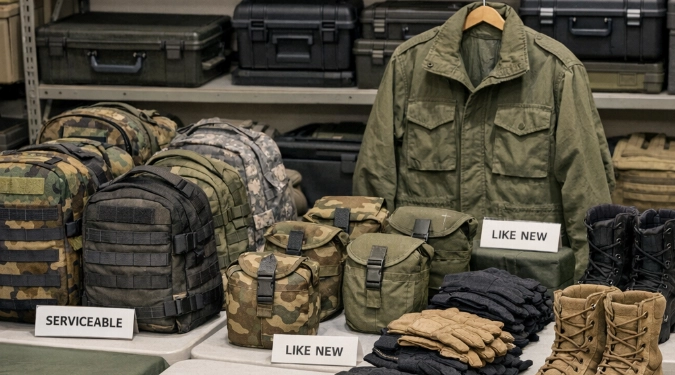
There’s something uniquely satisfying about owning gear built to survive mud, loadouts, and hard miles. Ex Military Equipment for Sale can turn that curiosity into a smart, practical purchase—if you know what to look for, where it’s released, and how condition and paperwork shape value.
Why Ex-Military Gear Holds Real Value
Most surplus was designed around durability standards: heavy stitching, corrosion-resistant hardware, and materials meant for repeated field use. That’s why people hunting Military Equipment often prioritize it for work, outdoor travel, collections, and training—because it’s built for function first, not fashion.
A good Military Surplus Store may carry everything from packs to tool kits, but the real “treasure trove” is variety: different eras, different contract specs, and different grades of wear. That variety is also why inspection matters—two items with the same name can be radically different in condition and completeness.
Where The Public Can Legally Find Surplus
Common public pathways include federal liquidation and auction pipelines, local surplus retailers, and specialized online resellers. For example, GovPlanet and IronPlanet regularly list rolling stock and support assets, while GSA Auctions often includes lots from multiple agencies. A well-run Military Store will clearly describe grade, missing components, and return policies before you commit.
When listings mention demilitarization, it means certain parts are removed or altered before release. That’s normal for specific categories. Read descriptions closely so you understand whether an item is complete, partially demilitarized, or intended strictly for parts and restoration.
What You Can Buy: Gear, Clothing, Tools, And More
Surplus is broader than uniforms. Military Gear for Sale can include load-bearing equipment, medical pouches, hydration carriers, sleeping systems, and field hardware. If you’re prioritizing everyday usefulness, focus on components that still match modern needs: MOLLE-compatible pouches, sturdy packs, and weather layers.
For clothing, Rugged Military Clothing is often sold by layer or by uniform component—field jackets, rain shells, cold-weather insulation, and boots. Condition grading matters: “new/unused,” “like new,” and “serviceable” can signal everything from untouched stock to visibly worn pieces that still function.
Explore Unique Ex-Army Machinery And Vehicles
Some buyers want more than personal kit—they want to Explore Unique Ex Army Machinery such as generators, water trailers, field kitchens, or shop equipment. These lots can be excellent value, but only if you verify run hours, maintenance records (if available), and whether accessories like cables, hoses, or control panels are included.
Interest in Military vehicles for sale to public is also real, especially around platforms like the Humvee. Many former tactical vehicles are released with restrictions, modifications, or documentation requirements, and road registration can vary by state. Treat “can it be titled and insured?” as a research project before purchase, not after.
Understanding Cost Without Guesswork
People searching Affordable Military Gear usually find that “affordable” depends on grade, rarity, and completeness. A surplus jacket might be inexpensive if it’s common and used, while certain packs or cold-weather systems can cost more due to demand and limited supply. Shipping also changes the equation—heavy lots can add significant freight costs.
To compare fairly, look at the full cost of ownership: cleaning, missing straps or liners, batteries, manuals, replacement seals, and any specialized tools. For vehicles and machinery, factor transport, fluids, tires, and the possibility of storage or maintenance needs.
How To Inspect Listings So You Don’t Overpay
Before you purchase Tactical Military Gear, inspect photos for stress points: buckle cracks, frayed webbing, zipper track separation, and seam wear. For metal items, check for pitting rust and bent mounting points. For electronics, confirm whether it’s tested, powers on, or is listed “as-is.”
Ask practical questions that directly affect value: Is hardware included? Are serial plates intact? Are there known defects? If you’re buying through a Military Surplus Store, verify sizing systems (especially for boots and layered garments) and whether returns are accepted on used items.
FAQ About Buying Ex-Military Equipment
Is It Legal To Own Ex-Military Items?
Many items are legal to own, including clothing, packs, tools, and many support assets. Restrictions usually involve controlled parts, certain weapons components, or items that must be demilitarized before release. Always read the listing terms and local rules for registration or use.
How Do I Know If Surplus Is Authentic And Not Just “Military Style”?
Surplus listings often include contract or NSN-style identifiers, manufacturer labels, and detailed condition notes. Reputable sellers also grade items consistently and provide multiple photos. If those details are missing, treat it as a higher-risk buy.
What Are The Most Practical First Purchases?
Many buyers start with packs, rain layers, base insulation, and field accessories because they’re easy to inspect and use immediately. Starting small also helps you learn condition grading before moving into bigger-ticket Military Equipment categories.
Can Surplus Vehicles Be Driven On Public Roads?
Sometimes, but it depends on the exact vehicle, its release condition, and how your state handles titling, lighting, emissions, and insurance. Plan for paperwork research, possible modifications, and transport from the pickup site.
Conclusion
A Treasure Trove of Opportunity is real when you approach Ex Military Equipment for Sale like a careful shopper: verify condition, understand demilitarization notes, and price the full ownership picture. Whether you’re outfitting yourself with dependable kit or evaluating machinery and vehicles, the smartest wins come from patient comparison and clear documentation.
Disclaimer: The information provided in this article is for educational and informational purposes only. It does not constitute professional advice. Readers should conduct their own research and consult with qualified professionals before making any decisions.