Best Hotspot Devices: Plans, Pricing, and Buying Guide
Choosing a hotspot is really two decisions: picking the right device and pairing it with a plan that won’t surprise you later. This buying guide compares portable WiFi hotspots (dedicated devices, phone hotspots, and router-style options), highlights specific models to consider, and explains how plan rules like priority data, throttling, and congestion can affect real-world speeds. You’ll also learn what typically drives pricing, when 5G is worth paying for versus a strong LTE option, and the key checklist items to confirm before committing—especially when a plan is marketed as “unlimited.”
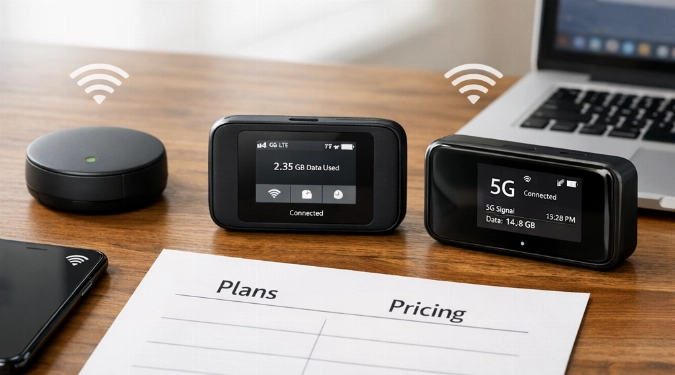
A portable hotspot can feel like a tiny safety net: reliable internet in a hotel, a car, an RV, or a backup for your home connection. This guide compares portable WiFi hotspots, explains what plans and pricing typically look like, and helps you pick a device that matches your coverage, speed, and data needs without surprises.
Portable WiFi Hotspots Compared: Device Types That Actually Matter
Hotspot shopping gets easier once you separate the hardware from the plan. The device determines signal quality and battery life; the plan determines your usable data and long-term cost.
- Dedicated hotspot device: Purpose-built for sharing internet to multiple devices, often with better antennas and battery than a phone hotspot.
- Phone hotspot: Convenient, but can drain your phone battery and sometimes performs worse in weak-signal areas.
- Router-style hotspot: Small travel routers or cellular routers can cover more space, but may cost more and add setup complexity.
Best Hotspot Devices To Consider
These widely available models are common starting points because they’re compatible with major carriers, support modern LTE/5G bands, and are designed for travel. Exact availability can vary by carrier and retailer.
- Inseego MiFi X Pro 5G (M3100): A popular 5G hotspot with a touchscreen, strong battery performance, and solid Wi‑Fi sharing for travel teams.
- NETGEAR Nighthawk M6: Known for fast Wi‑Fi and premium performance; a frequent pick for heavy streaming and work on the road.
- Franklin Wireless JEXtream RG2100: A practical LTE option often positioned as a value device for basic browsing, email, and light video calls.
- TCL LINKZONE 5G: A newer 5G-capable category of device that aims for a balance of cost and performance for everyday hotspot use.
Plans And Pricing: What You’ll Typically Pay For
Most hotspot costs come from the monthly plan, not the device. Many “Unlimited Internet Plans” still include a high-speed allowance, then slow down (throttle) during congestion or after a certain amount of “Unlimited Internet Data” is used.
Typical Cost Ranges And What Drives Them
In general, you’ll see monthly ranges from roughly mid-range single-line pricing to premium tiers, depending on priority data, 5G access, and hotspot limits. Device pricing also ranges widely depending on whether it’s LTE-only or 5G and whether it’s discounted with a plan. If you’re comparing “Unlimited Data Plans,” check three line items: high-speed allowance, deprioritization language, and video streaming limits.
How To Choose The Right Hotspot For Your Use
Use-case fit matters more than headline speed. A traveler who checks email needs something different than a remote worker who takes video calls all day.
- For remote work: Prioritize 5G/LTE performance, strong Wi‑Fi range, and a plan with enough priority data to avoid slowdowns during busy hours.
- For RV and road trips: Look for models that support external antennas (where available) and stable LTE fallback when 5G is weak.
- For families: Check max connected devices, battery capacity, and whether the device supports WPA3 security.
If you’re specifically shopping for an “Unlimited Wireless Internet Hotspot,” read the fine print: “unlimited” often means unlimited access, not unlimited high-speed.
5G vs LTE: When It Changes The Buying Decision
LTE is still the baseline for broad coverage, while 5G can deliver higher peak speeds in well-served areas. A “5g Hotspot Unlimited Data” plan can be useful, but it’s only as good as local coverage and how the carrier manages congestion. If your travel is mostly rural, a strong LTE device may feel more consistent than chasing 5G speeds that appear only in certain pockets.
Data Rules To Check Before You Commit
Marketing can make “Unlimited Wi-Fi Hotspots” and “Unlimited Wifi” sound identical, but plan policies differ.
- Priority vs deprioritized data: Deprioritized lines may slow during congestion even before you hit a stated threshold.
- Hotspot caps on phone plans: Some “Unlimited Mobile Plans” include hotspot data but limit it to a smaller high-speed bucket.
- Device financing and unlocking: Financing may tie the device to a carrier until paid off; unlocked hotspots can simplify switching later.
If you’re comparing “Unlimited Data Mobile Plans,” confirm whether the hotspot plan is separate from your phone line and how much high-speed data is realistically usable for your household.
FAQ
Do Unlimited Internet Plans Really Mean No Limits?
Usually it means no hard cutoff, but speeds can slow after a high-speed threshold or during congestion. Read the plan’s data management policy and look for wording about deprioritization and hotspot limits.
How Many Devices Can A Hotspot Support?
Many hotspots support around ten to thirty connected devices, but performance depends on Wi‑Fi generation (like Wi‑Fi 6), signal strength, and what those devices are doing (video meetings use more than messaging).
Is A Dedicated Hotspot Better Than Using My Phone?
A dedicated hotspot often provides better battery life, stronger antennas, and more stable sharing for multiple devices. Phone hotspots are great for quick use, but heavy daily use can heat up the phone and drain the battery faster.
What’s The Simplest Way To Compare Portable WiFi Hotspots?
Compare three things side by side: device network support (LTE/5G bands), real plan rules (high-speed allowance and throttling triggers), and total ongoing cost. That approach keeps the comparison grounded in day-to-day usability rather than spec-sheet hype.
Conclusion
The best hotspot device is the one that matches your real travel patterns, local coverage, and how much data you use each month. Compare portable WiFi hotspots by pairing solid hardware (battery, antennas, Wi‑Fi quality) with a plan whose limits you understand—especially where “unlimited” may include slowdowns after heavy use.
Disclaimer: The information provided in this article is for educational and informational purposes only. It does not constitute professional advice. Readers should conduct their own research and consult with qualified professionals before making any decisions.