Finding a Night Sitter for the Elderly: A Complete Guide to Overnight Care and Costs
A great deal of relief comes from finally going to sleep at night knowing that your loved one is settled in safely with someone keeping watch. For many families, nighttime can be the most difficult part of the day because they are concerned about a parent or grandparent trying to move around in the darkness without assistance.
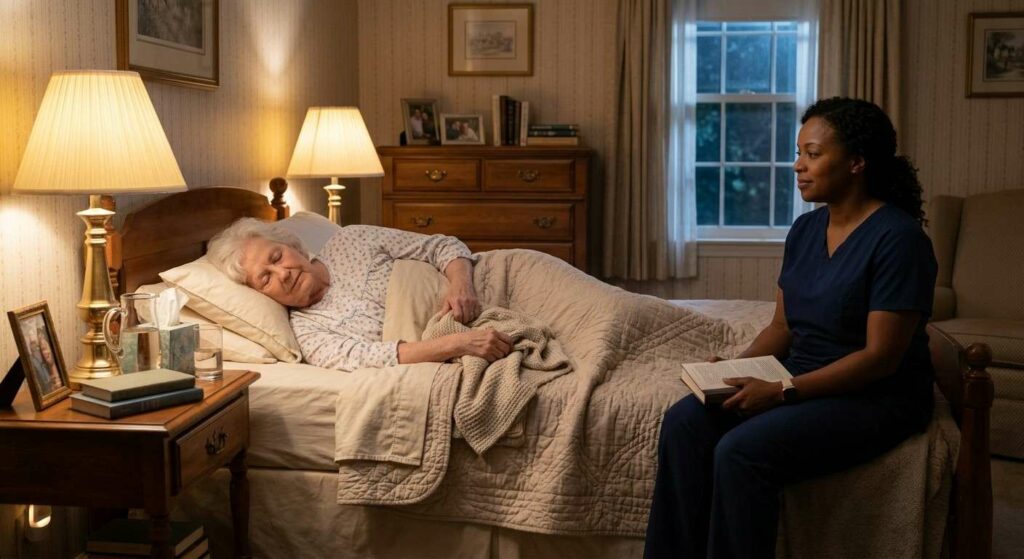
Hiring a night sitter for the elderly adds that important layer of security, giving family caregivers the chance to get the restorative sleep they need while making sure a professional remains attentive to their loved one.
This kind of specialized assistance is needed by more families than people may realize. Research shows that between 40% and 70% of seniors experience sleep problems, while at least half of those cases go undiagnosed. When an older adult is awake while everyone else in the home is sleeping, the possibility of confusion or accidents can rise considerably. A dedicated caregiver can help manage these circumstances, providing support throughout the lengthy hours from dusk until dawn.
Addressing common nighttime struggles
Many older adults experience senior sleep disorder symptoms that can make remaining in bed challenging. Insomnia, restless leg syndrome, and even REM sleep behavior disorder are among these issues. Without assistance nearby, a senior may attempt difficult tasks or wander through the home while confused. A night sitter provides dependable guidance, helping the senior cope with these symptoms while avoiding feelings of isolation or frustration.
These caregivers do more than simply remain nearby during the night. They also take care of different responsibilities that help the household stay safe and function properly until morning. Their duties can be tailored closely to the individual health requirements of the person receiving care.
- Offering regular medication reminders so health plans remain on schedule
- Helping with personal hygiene during nighttime bathroom visits
- Focus on preventing senior falls at night in hallways or bathrooms
- Helping the senior get into and out of bed safely
- Watching for wandering or confusion related to memory problems
Preventing senior falls at night is one of the key ways a caregiver helps reduce a major threat to independent living. Whether the person needs assistance getting to the bathroom or only needs someone to bring a glass of water, having another person present can transform a potentially hazardous period into a calmer experience. Although the advantages are evident for both senior safety and family well-being, households also need to consider the financial responsibility that comes with professional overnight care.
Understanding Overnight Care Costs and Shift Structures
As you begin researching professional evening assistance, one of the first things you are likely to encounter is the standard 12-hour caregiver shift. These shifts commonly extend from the early evening into the following morning, making sure someone is available and attentive while you or your loved one rests. Since this type of assistance is specialized, costs can differ substantially based on your location and whether the caregiver comes through an agency or is hired privately.
For an overview of costs across the country, the Genworth Cost of Care survey offers a useful starting point. Its figures put the hourly median cost for a home health aide at around $34. Depending on the city where you live, rates may range anywhere from $22 to $44 per hour. These numbers provide a helpful baseline for planning, particularly when you consider how quickly an entire night’s care can accumulate over the course of a week.
| Care Provider Type | Estimated Hourly Rate | Common Shift Length |
|---|---|---|
| Private Individual Hire | $22 – $31 | 8 – 12 Hours |
| Home Care Agency | $32 – $44 | 12 Hours |
| National Median (Genworth) | $34 | Varies |
Choosing Between Hourly and Live-in Care
Knowing how hourly overnight care differs from live-in care is essential. An hourly caregiver generally remains awake during the night and can assist with medication, bathroom needs, or wandering. Live-in care, meanwhile, is defined by the Department of Labor as an arrangement in which one caregiver spends at least 120 hours, or five consecutive days, in the client’s home each week. Although live-in care may cost less because payment is not based on every hour of the day, it involves a different type of household arrangement.
Families sometimes use creative approaches to make these expenses easier to manage. One possibility is hiring nursing students. Because many students need a quiet setting where they can study while gaining experience, they may offer overnight assistance in return for room and board or a reduced hourly rate. For families who need overnight help but find agency pricing difficult to afford, this can provide a useful middle ground.
If you choose to hire someone privately instead of working with an agency, there is more involved than simply agreeing on a wage and shaking hands. Private employment also comes with particular tax requirements and legal obligations that families need to understand.
Navigating IRS Classifications and Labor Laws
Bringing a night sitter into your household may seem like a straightforward family arrangement, but it can also make you responsible for certain small business-related duties. Understanding the legal requirements for caregiving helps protect both the household and the person being hired. Following the appropriate procedures can ensure the caregiver receives the benefits they are entitled to while helping the family avoid unexpected tax penalties later.
One major issue is determining whether the sitter qualifies as an employee or an independent contractor. The government makes this determination using the IRS Common Law Test, which considers the degree of control you exercise over the worker. When you establish the exact schedule, supply equipment, and provide detailed directions about how care should be performed, the IRS generally considers that person your employee. This arrangement is particularly common among families seeking regular overnight assistance in their homes.
If your caregiver receives more than a certain amount in a calendar year, you will probably have to comply with the requirements outlined in IRS Publication 926. This publication explains the household employer tax, commonly known as the nanny tax. It addresses matters including Social Security and Medicare taxes as well as federal unemployment tax. Keeping these filings current helps your household remain compliant and creates a documented record of the caregiver’s income.
The Fair Labor Standards Act is another important consideration when determining how night care should be paid. Under this law, most privately hired caregivers are non-exempt. As a result, they generally must receive at least the minimum wage along with overtime pay, which is typically one and a half times their regular rate, for hours worked beyond 40 in a seven day work week. With overnight shifts often lasting around 12 hours, the total can increase rapidly, making it important to account for these requirements when setting your budget.
The U.S. Department of Labor permits sleep time deductions of up to eight hours when the caregiver is on duty for 24 hours or more, or when the worker is live-in, as long as there is an agreement and the worker can generally receive an uninterrupted night’s sleep.
State-Specific Overtime Variations
Federal regulations establish a baseline, but a number of states have additional requirements that provide workers with greater protections. For instance, the U.S. Department of Labor describes live-in care as one caregiver spending at least 120 hours or five consecutive days in the client’s home each week. Although federal regulations may exclude these workers from certain overtime requirements, some states have adopted rules that work differently.
There are 10 states, including California, New York, New Jersey, and Nevada, that have specific overtime requirements for live-in caregivers. In these states, overtime may still need to be paid even when a caregiver lives in the home full-time. Because these state-level requirements can make matters more complicated, checking your local labor department’s rules is always worthwhile, particularly for requirements involving sleep time and daily rest periods.
Creative Solutions for Affordable Overnight Support
Securing dependable overnight assistance does not necessarily mean spending more than your family can afford. Agency pricing can sometimes be difficult to manage, but families have several cheerful and community focused alternatives for finding the support they require. Looking at less traditional options can help you stay within your budget while keeping your loved one safe and comfortable throughout the night.
A particularly creative approach is to contact nearby colleges that offer healthcare programs. Nursing students often need quiet spaces for studying while also seeking practical experience. Many can provide quality care at a lower cost than professional agencies. In some arrangements, families provide free or reduced-cost housing to a student in exchange for the student remaining present and available during nighttime hours.
Tapping into local resources
If you are unsure about where your search should begin, your local Area Agency on Aging can be an excellent starting point. These organizations focus on connecting seniors with assistance programs available in their communities. They may be able to direct you toward volunteer networks, sliding scale services, or specialized grants that can help with the expense of a night sitter.
Working with community specialists can make the senior-care landscape easier to navigate. Because they understand local programs that may not receive much public attention, they can be an especially valuable resource when searching for affordable overnight support.
- Contact your local Area Agency on Aging to request a list of vetted community programs.
- Get in touch with career services at nearby universities to locate nursing students.
- Look through community boards and local social media groups for independent caregivers.
- Ask local community colleges about room and board exchange programs.
- Find out about volunteer respite programs offered through local religious or civic organizations.
Regardless of which affordable option you pursue, safety should remain the central concern. Even when the caregiver is a friendly student or someone recommended by a neighbor, make sure to complete a thorough background check and confirm their references. These precautions allow you to reduce expenses without sacrificing the standard of care or the peace of mind your family needs.
Ensuring Safety and Quality in Private Hiring
The last stage in creating a comfortable and secure home environment is finding the right person for your family. Independent caregivers may cost less than agency-based care, but private hiring means you need to pay close attention to the details. Carefully checking qualifications and establishing clear expectations can help ensure your loved one is receiving safe care while you get the rest you need.
Understanding your legal responsibilities is one of the most important parts of the process. A home care worker classification guide can assist you in deciding whether your sitter should be treated as an employee or contractor under the IRS Common Law Test. Most privately hired night sitters fall under the household employee category because the family determines their schedule and responsibilities. As a result, you will probably need to manage tax withholdings and determine whether your state requires workers’ compensation insurance.
The vetting process is equally important because it can protect your family from problems later. Always complete detailed background checks to make sure the person entering your home has a clean record. For seniors who may be especially vulnerable overnight, this is an essential safety measure. Using an organized hiring process makes it easier to identify a professional who is genuinely prepared for the responsibility.
Managing Caregiver Burnout
Long-term well-being also deserves attention throughout the caregiving process. Managing caregiver burnout is important for both the hired caregiver and family members. When a family caregiver has gone without sufficient sleep for months, exhaustion and feeling overwhelmed are likely to follow. Professional respite care gives family members an opportunity to step away and recharge, which can ultimately improve the quality of daytime care provided to the senior.
Someone who is well-rested is better able to remain alert and manage nighttime challenges, including preventing falls or wandering. Hiring a night sitter therefore provides more than additional assistance; it can help bring health and happiness back to the household as a whole. In 2026, more families are finding that dependable, professional nighttime support can help create a more balanced life for every generation living under one roof.
Disclaimer: The prices mentioned in this article are based on publicly available data and reflect the prices as of [August 27, 2026]. Prices are subject to change without notice. This information is provided for general informational purposes only. No rights may be derived from it, and we disclaim all liability for any actions or decisions based on this content.