Home Temperature Guide: Ideal for Comfort and Cost Savings
Finding the “perfect temperature” at home is less about one magic number and more about smart thermostat choices that protect comfort while cutting waste. This guide explains the best home temperature ranges by season, how to set an overnight thermostat temperature for better sleep, and what to change when you’re away—especially in winter—without risking plumbing or creating long recovery cycles. You’ll also learn when constant temperatures make sense, how setbacks typically save energy, and which practical upgrades (filters, air sealing, fans, and smart thermostat scheduling) help your best thermostat settings for energy savings feel better in every room.
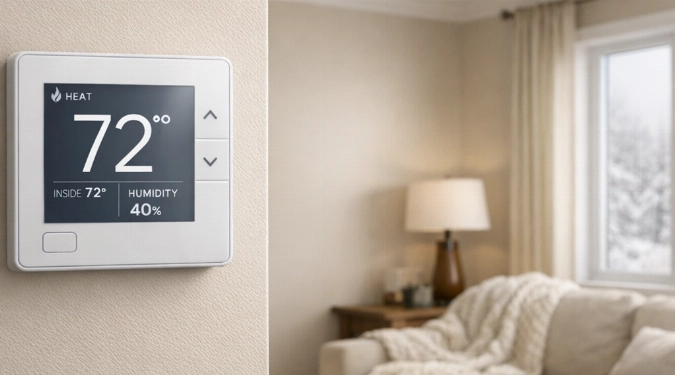
Your thermostat doesn’t just control comfort—it quietly decides how hard your HVAC system works, day and night. This home temperature guide focuses on the best home temperature ranges for real-life comfort and cost savings, including simple setbacks for sleep, workdays, and vacations.
What The “Perfect” Home Temperature Really Means
There isn’t one perfect number for every home. The practical goal is a “comfort band” that feels good while avoiding big, frequent swings that trigger longer heating or cooling runs. The best thermostat temperature is the one that keeps humidity in check, prevents pipes from freezing in cold snaps, and reduces runtime when the house is empty.
Think of the temperature to set thermostat as a plan that changes by season, occupancy, and time of day—not a single setting you never touch.
Best Thermostat Settings By Season
Most households land in a similar range for comfort, then adjust a few degrees for savings. A common thermostat heat temperature range many people tolerate in winter is around the upper 60s when home and awake, then lower when sleeping or out. In summer, many homes stay comfortable in the mid-to-upper 70s when occupied, then go warmer overnight or when away.
| Situation | Winter Approach | Summer Approach |
|---|---|---|
| Home And Awake | Comfort range; add layers before raising | Use fans; avoid overcooling |
| Sleeping | Lower overnight for comfort and savings | Higher thermostat night temperature summer |
| Away For Work/School | Set back but protect plumbing | Set up but manage humidity |
| Travel For Days | Lower, not off; safe minimum varies by home | Higher, not off; prevent moisture issues |
Day, Night, And Away: The Settings That Usually Matter Most
If you’re dialing in an overnight thermostat temperature, many people sleep better with a cooler winter bedroom and a slightly warmer summer setpoint paired with a ceiling fan. For a programmable or smart thermostat, a gradual change starting about an hour before bed can feel smoother than an abrupt drop.
For the workday question—what should i set my thermostat to in the winter when away—aim for a setback that saves energy without risking frozen pipes or a long recovery time. Homes with heat pumps, poor insulation, or very cold climates may need smaller setbacks than older “rule of thumb” advice suggests.
Should You Keep A Constant Temperature Or Use Setbacks?
People often ask, is it better to keep your thermostat at a constant temperature. Typically, modest setbacks save energy because your home loses heat more slowly when the indoor-outdoor difference is smaller, and gains heat more slowly in summer when the indoor temperature is higher. The exception is when setbacks are so aggressive that your system runs hard for a long time to recover, or when humidity control becomes a problem during long summer setbacks.
The most reliable approach is “steady when home, strategic when not”: keep comfortable setpoints while occupied, then shift a few degrees during sleep and absence.
Empty House In Winter: Heat Off Or On?
A common worry is should you leave the heat on in an empty house during the winter. Many homeowners keep some heat on to reduce the chance of frozen pipes and condensation problems, especially in basements, exterior walls, and rooms over garages. If you leave, also consider opening under-sink cabinet doors on very cold nights, and know where your main water shutoff is.
If you want a simple target for what temperature should i set my thermostat in winter to save money while traveling, many households choose a “vacation” setting that’s lower than normal but still protects plumbing. The safest minimum varies with insulation, pipe placement, and local weather extremes.
Energy Saving Tips That Make Your Setpoint Work Harder
Thermostat choices work best when the house holds temperature well. These energy saving tips usually create noticeable comfort gains without needing extreme setpoints:
- Replace HVAC filters on schedule (common sizes like 16x25x1 or 20x20x1) to keep airflow efficient.
- Use a smart thermostat schedule; models like ecobee Smart Thermostat Premium, Google Nest Learning Thermostat, and Honeywell Home T9 can automate setbacks and recovery.
- Seal air leaks at attic hatches, recessed lights, and door sweeps before chasing lower temperatures.
- Run ceiling fans correctly: counterclockwise in summer, clockwise on low in winter to reduce hot/cold spots.
These improvements help the best thermostat settings for energy savings feel more comfortable because rooms stay more even.
FAQ: Home Thermostat Temperatures For Comfort And Savings
What Is The Best Thermostat Temperature For Most Homes?
The best thermostat temperature is usually a range: cooler in winter, warmer in summer, with small adjustments for sleep and time away. Start with a comfortable baseline, then change in small steps and observe how long your system needs to recover.
What Should My Overnight Thermostat Temperature Be?
Overnight thermostat temperature is often a few degrees lower in winter for sleep comfort and a few degrees higher in summer to reduce AC runtime. Pairing a fan with a slightly warmer summer setpoint can maintain comfort for many sleepers.
How Do I Choose The Right Temperature To Set Thermostat When Away?
Choose a setback/setup that matches your system and home. If recovery takes too long or comfort suffers, reduce the change. If you have a heat pump or humidity issues, smaller adjustments may work better than big swings.
What If My House Has Hot And Cold Rooms?
Before changing setpoints, try sealing drafts, balancing vents, and using internal doors strategically. Smart thermostats with remote sensors (like ecobee room sensors) can also reduce temperature swings by prioritizing the rooms you use most.
Conclusion: A Simple “Perfect Temperature” Plan
The ideal home temperature for comfort and cost savings is a realistic schedule: comfortable when you’re home, adjusted during sleep, and shifted when the house is empty—without pushing extremes. Use setbacks thoughtfully, protect your plumbing in winter, manage humidity in summer, and support your thermostat with small home fixes that reduce how hard your system has to work.
Disclaimer: The information provided in this article is for educational and informational purposes only. It does not constitute professional advice. Readers should conduct their own research and consult with qualified professionals before making any decisions.