Using Your Own Car for Deliveries: Key Things to Know
You have a car and you are eyeing delivery work, but the choices feel messy. Apps pay in different ways, expenses add up fast, and one wrong insurance assumption can hurt you. This guide is for anyone deciding whether driving deliveries is worth it and what to avoid first.
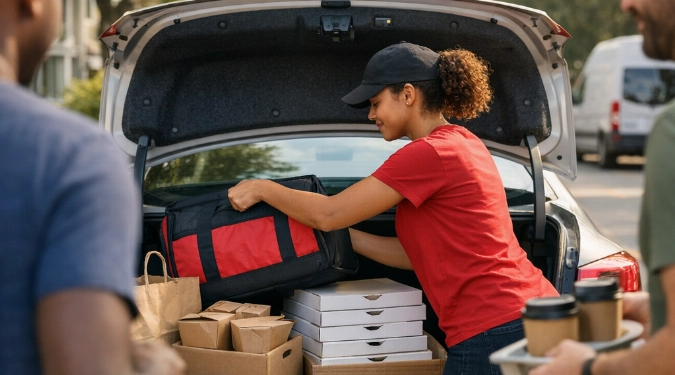
Using your car for delivery work is simple, but the details decide your profit. This guide shows what you will earn after costs, what apps ask during signup, and how to set your car up for faster stops. You will also get a checklist you can use before your first route starts.
Pick The Right Type Of Delivery
Not all routes pay the same for the same effort. Match the work to your car and your schedule.
- On-demand food: DoorDash, Uber Eats, Grubhub. Fast pickups, more waiting, more miles in traffic.
- Same-day parcels: Roadie, Curri, Senpex. Bigger items, fewer stops, more loading risk.
- Retail runs: Instacart, Shipt, Spark Driver. Some lifting, lots of substitutions, more store time.
- Flex blocks: Amazon Flex, Veho. Many stops, tight timelines, less decision-making mid-route.
- Medical and legal: ScriptDrop, Dropoff. Paperwork matters, timing matters, fewer tips.
- Local courier networks: Dispatch, Metrobi. Often business-to-business, steadier demand, more professionalism expected.
Know What You Really Keep After Costs
Gross pay is not the same as profit. Your biggest hidden cost is your car.
- Fuel: Track $0.10 to $0.25 per mile depending on mpg and gas price swings.
- Maintenance: Budget $0.08 to $0.15 per mile for tires, brakes, oil, and wear.
- Depreciation: Many drivers ignore it, but it is real. Older cars reduce this hit.
- Insurance gap: Personal policies can exclude “business use.” Ask about rideshare or delivery endorsements.
Use a simple rule for quick decisions. If an offer does not clear about $1.00 per mile gross, be cautious. Apartments, gates, and parking will eat time.
Signup Steps That Delay Most Drivers
Most platforms follow the same funnel. Delays usually come from documents, not the background check.
- Driver license that matches your legal name.
- Proof of insurance with current dates.
- Vehicle registration that matches the plate.
- Clear photos with no glare or cropped corners.
- Bank account setup for payouts.
Some apps require an insulated bag or safety gear. Buy only after you are approved. Keep screenshots of support chats for any document dispute.
Car Setup That Saves Minutes Per Hour
Speed comes from reducing “search time” at every stop. Organize for grabbing, scanning, and leaving.
- Use two bins in the back seat: “Next 5 stops” and “Later.”
- Keep a small flashlight, even for daytime. Dark porches waste time.
- Carry a foldable cart for heavy boxes and long hallways.
- Keep spare phone cable, windshield mount, and a backup battery pack.
- Use a sharpie and painter’s tape for quick labels on grouped orders.
If you deliver package loads, load by stop order when possible. If you cannot, load by zone. Put the first zone closest to the door you use most.
Route Habits That Cut Risk And Rework
Most lost time is avoidable. It comes from bad photos, wrong doors, and missing access info.
- Zoom in on unit numbers before you exit the car.
- Save common gate codes and call box notes in a phone note.
- Take delivery photos that show the door frame and package placement.
- Do not block driveways. Tickets erase a full shift fast.
- Watch for school zones and turn restrictions during peak hours.
Where These Roles Show Up
Most people find these roles inside apps first. Some also appear on job boards and local courier sites.
- Search terms like jobs delivery driver on Indeed and ZipRecruiter.
- Check app stores for delivery jobs with own car and read recent driver reviews.
- For business courier work, look for listings that say driver with own car needed.
- Ask print shops, pharmacies, and auto parts stores about overflow routes.
If you want a delivery job with own car, ask how pay is calculated. Get the per-mile, per-stop, and wait-time rules in writing.
Taxes And Tracking You Should Start Day One
Track miles from the first day, not tax season. Use an app like Stride, Everlance, MileIQ, or QuickBooks Self-Employed.
Keep a folder for oil changes, tires, and car washes if you use them for work. Set aside a percent of payouts for quarterly taxes. Many drivers start with 20% and adjust later.
FAQ
What kind of car works best for parcel work?
A hatchback, small SUV, or wagon is easier than a sedan. A low lift-over height matters more than extra horsepower.
Do I need special insurance for courier jobs?
Ask your insurer how they classify delivery use. Some carriers require an endorsement. Others exclude coverage during active deliveries.
How do I compare two offers fast?
Estimate total miles, then add 2 minutes per stop for easy houses. Add 6 to 10 minutes per stop for apartments and offices.
What should I bring on my first shift?
Bring water, a pen, a notepad, and a phone mount. Add a cart if you expect heavier package delivery job loads.
Are own vehicle jobs better as a side gig or full-time?
Side gig work is easier to optimize. Full-time work needs strict cost control and a backup plan for car downtime.
Disclaimer: The information provided in this article is for educational and informational purposes only. It does not constitute professional advice. Readers should conduct their own research and consult with qualified professionals before making any decisions.