What Glucose Levels Are Considered Dangerous After 60?
After 60, high or low glucose can turn risky fast, especially with other health issues or certain medicines. You may be unsure which numbers mean “wait and recheck” versus “get help now.” This article clarifies danger thresholds, symptom cues, and how to confirm readings before you panic.
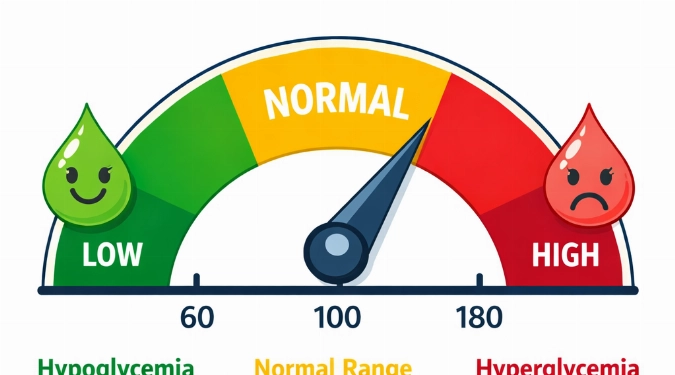
Know the glucose numbers that call for urgent help, and the ones that just need a plan. Use simple cutoffs for fasting, after meals, and bedtime. This guide also shows how to verify a scary reading, what symptoms matter, and how to choose testing options that fit your budget.
The Numbers That Are Most Concerning After 60
One high reading is not a diagnosis. It can still be an emergency.
Go to urgent care or the ER now if you have symptoms and a very high reading. Many clinicians treat over 300 mg/dL as a red-flag number. Risk rises further at over 400 mg/dL, even without symptoms.
Call your clinician the same day if readings stay high. A common threshold is over 250 mg/dL for several checks. Another concern is over 180 mg/dL after meals on most days.
Low glucose is also dangerous. For many adults, under 70 mg/dL is low. A level under 54 mg/dL is considered clinically significant hypoglycemia.
Normal Targets Versus “Danger” Numbers
Targets vary with medications, kidney function, and fall risk. A useful glucose level comparison is below.
- normal glucose range: fasting about 70–99 mg/dL for many healthy adults.
- Prediabetes screening range: fasting 100–125 mg/dL.
- Diabetes screening range: fasting 126 mg/dL or higher on repeat testing.
- After-meal goal used in many plans: under 180 mg/dL at 1–2 hours.
- dangerous glucose levels: often over 300 mg/dL or under 54 mg/dL, especially with symptoms.
If you use a CGM, treat arrows seriously. A fast drop can cause confusion or falls even before the number looks low.
Symptoms That Matter More Than The Number
High blood sugar symptoms can be subtle in older adults. Some people feel fine at very high levels.
- New confusion, unusual sleepiness, or fainting.
- Shortness of breath, chest pain, or severe weakness.
- Vomiting, severe belly pain, or rapid breathing.
- Extreme thirst with very frequent urination.
- Blurred vision paired with a sharply rising reading.
Seek urgent care if symptoms are severe, sudden, or paired with a very high value.
How To Double-Check A Scary Reading
CGMs can lag behind blood values. Fingersticks can be wrong too.
- Wash and dry hands first. Food residue can spike results.
- Recheck in 10–15 minutes if the number surprises you.
- Use a fresh strip. Check the expiration date.
- If you use a CGM, confirm with a fingerstick if you feel “off.”
Accuracy standards allow some error. Focus on trends, not a single point.
Choosing A Meter Or CGM Without Overpaying
The best glucose meter is the one you will use correctly. For many people, strip price matters more than the device.
Common retail options include Contour Next One, Accu-Chek Guide, OneTouch Verio Reflect, FreeStyle Lite, TRUE METRIX, and ReliOn Premier. Ask a pharmacist which strips are cheapest for your plan.
Glucose monitor price varies by type. Many fingerstick meters cost $15–$60. Test strips often run $10–$45 per box, depending on count and coverage.
CGMs can cost more each month. Coverage depends on your insurance and prescription rules.
Where Testing Happens And What It Typically Costs
If you searched glucose testing near me, start with retail pharmacies, primary care offices, and community clinics. Many labs also offer walk-in blood draws with an order.
The cost of glucose test depends on the test type. A basic lab fasting glucose is often $10–$30 cash-pay. An A1C is often $25–$60 cash-pay. Prices vary by lab and discounts.
Ask for the CPT code and cash price before you go. Keep a copy of results for your next visit.
Medication Categories Your Clinician May Discuss
Top diabetes medications depends on your goals and risks. Older adults often need plans that limit lows and protect kidneys.
- Metformin class.
- SGLT2 inhibitor class.
- GLP-1 receptor agonist class.
- DPP-4 inhibitor class.
- Basal insulin options.
- Rapid-acting insulin options.
Ask about low-risk choices for hypoglycemia. Also ask how illness, steroids, or missed meals change your plan.
Reading Reviews Without Getting Misled
Glucose level reviews online often mix up ease of use and accuracy. Use a simple checklist instead.
- Strip cost per test and availability.
- Backlit screen and large numbers for vision changes.
- App export for your clinician.
- How it handles error messages and tiny blood samples.
FAQs That Come Up After 60
Can dehydration raise glucose readings?
Yes. Dehydration can concentrate glucose in the blood. It can also worsen dizziness and kidney stress.
Do steroids or joint injections affect glucose?
They can. Oral steroids often raise glucose for days. Some steroid injections can raise glucose for several days too.
What should I bring to my next appointment?
Bring 7–14 days of readings, plus meal notes for “weird” days. Include medication timing, illness, and activity changes.
Disclaimer: The information provided in this article is for educational and informational purposes only. It does not constitute professional advice. Readers should conduct their own research and consult with qualified professionals before making any decisions.