Think Before You Swipe: 7 Places to Avoid Debit Cards
While debit cards offer unmatched convenience for daily transactions, they also provide a direct, “instant” link to your cash reserves. In 2026, sophisticated fraud tactics like “shimmers” for chip cards and AI-powered phishing have increased the risks associated with swiping in certain environments. Unlike credit cards, which use the bank’s money and offer robust federal liability protections, a compromised debit card can lead to an immediate drain of your checking account.
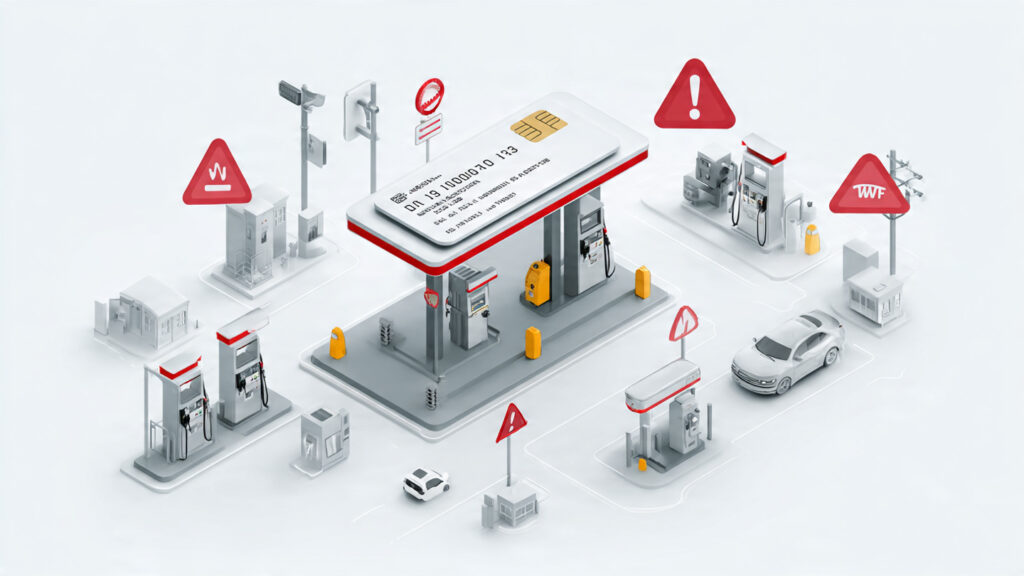
Exploring about 7 risky places to use your debit card can help you decide when to switch to a credit card or a mobile wallet for enhanced data breach prevention.
1. Gas Station Pumps
Gas stations remain one of the most persistent debit card fraud risks due to their vulnerability to skimming devices.
- Skimming and Shimming: Thieves often install external skimmers or internal “shimmers” that capture both magnetic stripe and chip data.
- Pre-Authorization Holds: Stations often place a temporary “hold” on your funds (sometimes up to $100 or more), which can cause other checks to bounce until the transaction clears.
- Security Recommendation: It is much safer to pay the cashier inside or use a contactless payment method at the pump.
2. Independent or Outdoor ATMs
Not all ATMs offer the same level of security; standalone machines in isolated or high-traffic outdoor areas are prime targets for tampering.
- Tamper Vulnerability: Independent ATMs (like those in convenience stores or at festivals) are less likely to have 24/7 surveillance or regular security checks.
- Hidden Cameras: Criminals may install tiny cameras near the keypad to record your PIN as you enter it.
- Security Recommendation: Use only bank-owned ATMs located inside well-lit buildings or branches.
3. Online Shopping with Unfamiliar Retailers
While encryption has improved, debit card scams to avoid often start with “too good to be true” deals from unverified websites.
- Data Breach Exposure: If a merchant’s database is hacked, your actual bank account information is at risk.
- Limited Dispute Options: Credit cards offer better “chargeback” rights if a merchant fails to deliver your items.
- Security Recommendation: Use a credit card or an encrypted service like PayPal for all online purchases to maintain a “buffer” between the merchant and your cash.
4. Bars and Restaurants
Handing your card to a server or bartender means it leaves your sight, creating a significant window for unauthorized copying.
- Loss of Control: Your card can be quickly swiped through a handheld skimmer or its details photographed in a back room.
- Pre-Auth and Tips: Like gas stations, restaurants may place holds on your account that don’t immediately match the final bill.
- Security Recommendation: Pay with cash or ask to use a portable, table-side payment terminal if available.
5. Popular Tourist Locations
Vacation spots attract both tourists and the professional scammers who target them using cashless payment risks.
- Shoulder Surfing: In crowded areas, thieves may watch you enter your PIN (shoulder surfing) or use a distraction scam to snatch your card or cash.
- Less Secure Terminals: Temporary vendors in tourist hubs often use less secure, outdated payment technology.
- Security Recommendation: Carry only a day’s spending money and use a credit card for most purchases to benefit from foreign transaction fee waivers and stronger fraud protection.
Comparison: Debit Card vs. Credit Card Security (2026)
| Feature | Debit Card (EFTA) | Credit Card (FCBA) |
| Source of Funds | Your Checking Account | Bank’s Line of Credit |
| Max Fraud Liability | $50 to Full Account Balance | $0 to $50 Maximum |
| Dispute Power | Moderate; funds stay gone | Strong; funds never leave |
Frequently Asked Questions
How to protect your debit card from being hacked? The most effective debit card security tips include using a digital wallet, setting up real-time transaction alerts, and never letting the card leave your sight. Ensure your banking apps and phone software are always updated to patch any security vulnerabilities.
What should I do if my debit card is compromised? Immediately lock the card via your bank’s app and report the unauthorized activity. You can find more info on recovery at identitytheft.gov or by contacting your bank directly.
Are contactless payments actually safer? Yes. Contactless cards and mobile wallets use a “tokenization” process that sends a one-time code to the merchant instead of your actual card number, making it nearly impossible for hackers to “re-use” the data.
Conclusion
Knowing how to protect your debit card from hackers means being selective about where you use it. By avoiding the 7 risky places mentioned above and opting for safest credit card alternatives for high-risk transactions, you keep your cash secure. In 2026, the key to data breach prevention is a combination of vigilant habits and modern tools. Protect your cards as if they were cash, and always trust your instincts if a payment terminal looks “off.”
Disclaimer: The information provided in this article is for educational and informational purposes only. It does not constitute professional advice. Readers should conduct their own research and consult with qualified professionals before making any decisions.