

Hidden Dangers of Eyelash Mites You Need to Know
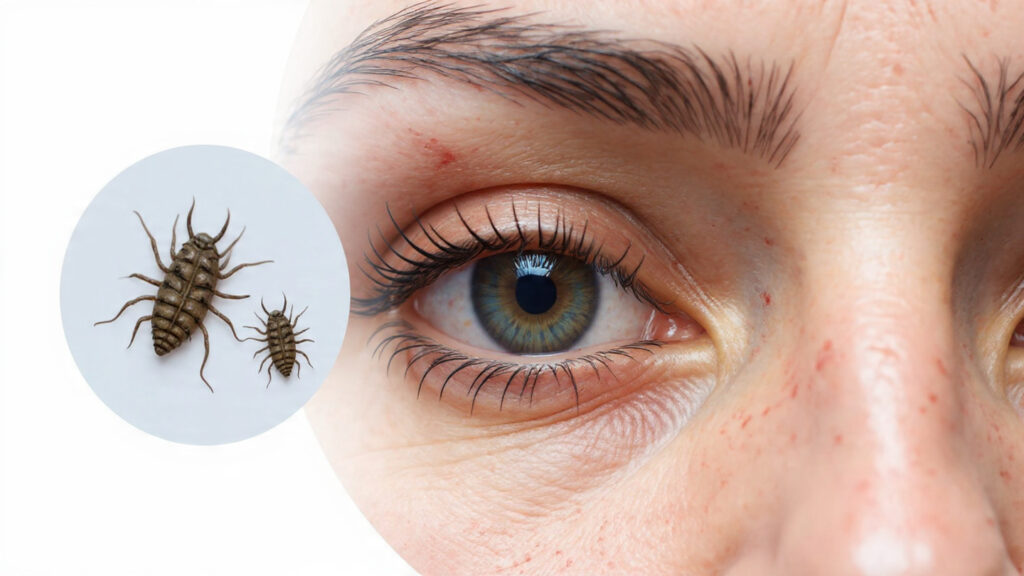
Eyelash mites—medically known as Demodex mites—are microscopic organisms that live around hair follicles, including the eyelashes. While often unnoticed, an overgrowth can trigger irritation, lash thinning, redness, and chronic eye discomfort. Understanding the hidden dangers of eyelash mites, their causes, symptoms, and how to manage them is essential for protecting long-term eye and lash health.
What Are Eyelash Mites and Why They Appear
Eyelash mites are naturally occurring parasites that feed on oils, dead skin cells, and debris at the base of the lashes. In small numbers, they may not cause symptoms. Problems arise when conditions allow them to multiply rapidly.
Common eyelash mite causes include excess oil production, poor eyelid hygiene, aging skin, and weakened immune defenses. Makeup residue, shared cosmetics, and infrequent cleansing of the lash line can also create an ideal environment for mites to thrive.
As oil and debris build up, mites burrow deeper into lash follicles, leading to inflammation and disruption of healthy lash growth cycles.
Symptoms of Demodex Mites on Eyelashes
Many people mistake eyelash mite symptoms for allergies or dry eye, which delays proper management. Key warning signs include persistent itching along the lash line, redness of the eyelids, and a gritty or burning sensation in the eyes.
You may also notice crusting at the base of the lashes, especially upon waking, or lashes that become brittle and fall out more easily. In advanced cases, chronic inflammation can contribute to blepharitis, recurrent styes, or irritation that interferes with daily comfort and vision clarity.
Hidden Dangers of Leaving Eyelash Mites Untreated
When left unmanaged, eyelash mites can quietly worsen over time. Ongoing inflammation may damage hair follicles, leading to sparse or uneven lash growth. The skin barrier around the eyes can weaken, making the area more sensitive to bacteria and environmental irritants.
Untreated mite overgrowth may also exacerbate dry eye symptoms by disrupting oil-producing glands along the eyelids. This can create a cycle of irritation that becomes increasingly difficult to control without targeted care.
How to Get Rid of Eyelash Mites Permanently
Managing eyelash mites requires consistency rather than aggressive treatment. Gentle eyelid hygiene is the foundation. Regular cleansing of the lash line helps remove oils and debris mites rely on for survival.
Warm compresses can soften hardened oils, making cleansing more effective. In persistent cases, eye-care professionals may recommend medicated cleansers designed specifically for Demodex control. Avoid harsh scrubbing, as irritation can worsen inflammation and encourage further imbalance.
Long-term control depends on maintaining clean lashes, replacing old eye makeup, and avoiding shared cosmetic tools.
Supporting Lash Health With Nutrients
While hygiene addresses mites directly, supporting the skin and lashes nutritionally can improve resilience.
Collagen for eyelashes supports the structural integrity of hair follicles, helping lashes remain stronger and less prone to breakage. Hyaluronic acid for eyelashes helps maintain hydration along the lash line, reducing dryness that can trigger irritation. Vitamins for eyelash growth—particularly biotin, vitamin E, and B-complex vitamins—support healthy hair cycles and skin repair, making the lash environment less vulnerable to mite overgrowth.
Nutrients alone do not eliminate mites, but they play a valuable role in recovery and prevention.
Frequently Asked Questions
Are eyelash mites contagious?
Eyelash mites can transfer through close contact or shared items like makeup brushes, but overgrowth usually depends on individual skin conditions and hygiene habits.
Can eyelash mites cause permanent lash loss?
If left untreated for long periods, chronic inflammation may damage follicles. Early management greatly reduces this risk.
Do eyelash mites affect everyone?
Most adults have some Demodex mites. Problems occur only when populations grow beyond normal levels.
How long does it take to see improvement?
With consistent eyelid hygiene, many people notice reduced irritation within a few weeks, though full balance may take longer.
Conclusion: Eyelash mites are more common—and more disruptive—than many people realize. By recognizing symptoms early, understanding eyelash mite causes, and combining proper hygiene with nutritional support, it’s possible to manage Demodex mites effectively and protect both eye comfort and lash health over the long term.