How to Become a Community Transport Driver: A Step-by-Step Guide
Community transport drivers help older adults and other riders reach essential destinations—especially medical visits—safely and on time. This step-by-step guide explains what the role involves, the typical requirements to become a community transport driver, how licensing and screening usually work, what training covers for non-emergency medical transportation, and how to prepare for appointment-focused routes, documentation, and rider assistance expectations.
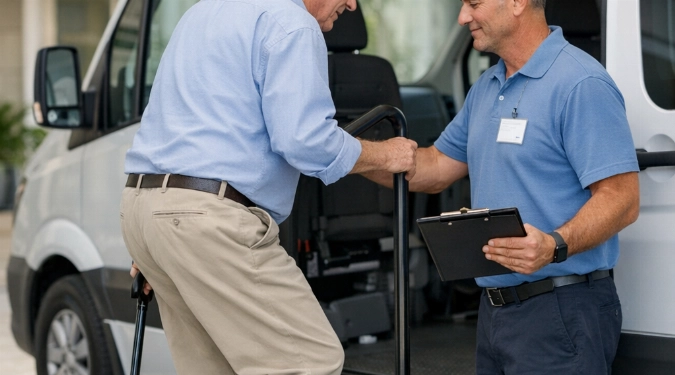
Community transport drivers keep neighbors moving—especially older adults who need reliable rides to clinics, dialysis, and routine checkups. If you’ve wondered what the requirements are to become a community transport driver, this step-by-step guide walks you through the real-world path, from licensing to day-to-day responsibilities.
What A Community Transport Driver Does
A community transport driver provides scheduled rides for people who may not be able to drive safely or consistently. Trips often include transportation for seniors to medical appointments near me, adult day programs, grocery runs arranged by agencies, and wheelchair-accessible transport when vehicles are equipped for it. The role blends safe driving with calm customer service and careful documentation.
Step 1: Confirm The Role Type That Fits
Community transport work can look different depending on who coordinates the rides. Some drivers work within nonprofit senior programs; others operate through non-emergency medical transportation providers. People exploring driving jobs for seniors sometimes prefer shorter shifts and predictable routes, while others want a fuller weekly schedule with recurring clients.
Step 2: Meet Basic Eligibility Requirements
Typical baseline requirements include a valid driver’s license, a clean driving record, and the ability to assist passengers safely (for example, steadying an arm during curb steps). Some programs require a minimum age, proof of work eligibility, and comfort using a smartphone app or paper trip logs.
Step 3: Understand License And Endorsement Needs
Whether you need a commercial driver’s license depends on vehicle size, passenger capacity, and state rules. Many sedans or small vans used for senior rides do not require a CDL, while larger shuttle-style vehicles may. If you are aiming at transport driver jobs that involve wheelchair-accessible vans, ask whether additional training is required for securement and lift operation.
Step 4: Complete Screening And Safety Checks
Because riders are often vulnerable, organizations commonly use background checks, DMV record reviews, and drug and alcohol screening. For medical driver jobs near me, extra verification is common, such as identity checks and periodic rescreening. These steps are less about “red tape” and more about building a safety-first system riders can trust.
Step 5: Get Trained For Passenger Care And Compliance
Training usually covers defensive driving, passenger assistance, incident reporting, and privacy practices. If you’re considering non emergency medical transportation driver jobs near me, expect instruction on punctuality standards for appointments, how to handle no-shows, and what to do if a rider appears unwell (typically calling a supervisor or emergency services rather than attempting medical care).
Step 6: Prepare The Vehicle The Right Way
Vehicles used for senior and medical transport are typically inspected on a schedule and checked daily. A practical pre-trip routine includes tires, lights, brakes feel, fuel level, and a quick cabin scan for trip hazards. For medical transport jobs near me that include mobility devices, correct strap placement and securement angles are essential to reduce shifting during turns and stops.
Step 7: Learn The Workflow For Medical And Senior Rides
Many trips are “door-through-door,” meaning you may escort a rider from their door to the vehicle and, when allowed by policy, to a clinic reception area. Documentation may include pickup/drop-off times, mileage, and rider verification. People searching jobs driving seniors to appointments near me are often surprised by how much success comes from small habits: confirming names, repeating destinations, and building extra time for elevators and check-in lines.
Step 8: Set Expectations For Schedule And Fit
Some drivers choose limited hours that resemble part time driving jobs for seniors near me, while others prefer consistent weekday blocks aligned with clinic schedules. If you’re evaluating transport driver jobs, ask about typical shift lengths, whether routes are dispatched in advance, and how cancellations are handled so your day doesn’t become unpredictable.
Where Community Transport Drivers Commonly Work
| Organization Type | Typical Riders | Trip Pattern |
|---|---|---|
| Nonprofit Senior Programs | Older adults needing errands and appointments | Scheduled, local, repeat clients |
| NEMT Providers | Patients traveling to covered medical services | Time-sensitive pickups, higher volume |
| Healthcare-Adjacent Transport Vendors | Discharge rides and clinic transfers | Mixed scheduling, variable wait times |
FAQ
Is Community Transport The Same As Emergency Ambulance Work?
No. Community transport and NEMT are generally non-emergency services. Drivers typically do not provide medical treatment; the focus is safe transport, rider support, and following escalation procedures when something seems wrong.
Do I Need Healthcare Experience For Medical Driving Jobs Near Me?
Usually not. Programs tend to prioritize safe driving, reliability, respectful communication, and comfort working with older adults and people with mobility limitations.
Can This Be A Good Fit For Older Drivers?
It can be. Many people exploring driving jobs for seniors near me already have strong safety habits and patience—two traits that matter a lot in rider-facing transport.
Are Personal Driver Jobs Near Me The Same As Community Transport?
They overlap in driving and customer service, but community transport is typically coordinated by an organization with set policies, scheduled trips, and documentation requirements rather than informal, private arrangements.
Conclusion
Becoming a community transport driver is a practical, step-by-step process: match the role type, meet eligibility requirements, confirm licensing needs, complete screenings, train for safety and compliance, and learn the medical-appointment workflow. If you’re comparing medical transport jobs near me or exploring transport driver jobs near me, focus on programs that emphasize training, clear policies, and rider safety from day one.
Disclaimer: The information provided in this article is for educational and informational purposes only. It does not constitute professional advice. Readers should conduct their own research and consult with qualified professionals before making any decisions.