

Simple Guide to Searching for Police Impound Car Auctions Near You
Navigating the world of police impound auctions requires a clear understanding of how local law enforcement agencies handle unclaimed vehicles. When vehicles are seized or impounded and remain unclaimed for a specific period, they are often sold to the public to recover storage costs. To find police impound car auctions near you, you must know where to look for official listings and how the bidding process typically functions in your specific region.
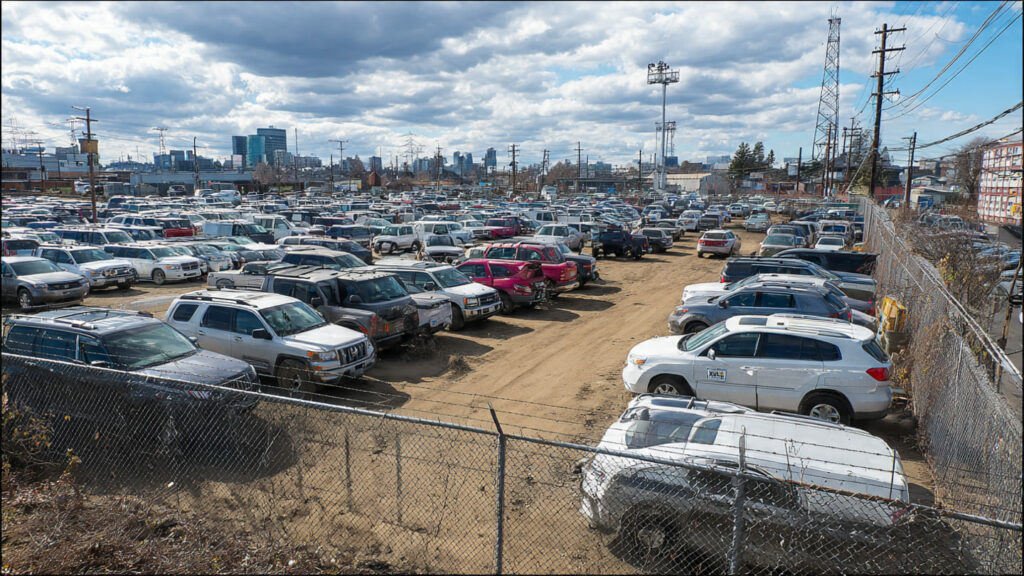
Understanding the Source of Police Impound Cars
Police impound cars usually originate from various law enforcement actions, including traffic violations, abandoned vehicle recoveries, or seizures. Once the legal holding period expires, these vehicles are processed for public sale. It is important to realize that these are not standard used car lot inventories; they are vehicles sold “as-is,” which is why performing a diligent search for auction information is the first step in a successful purchase.
Local municipal departments or county sheriffs typically manage these inventories. To start your search, you should identify which specific local agencies hold police impound auctions. Most large metropolitan areas have dedicated impound lots where these events take place on a monthly or quarterly basis. Checking the official website of your local city government or police department is often the most reliable way to find accurate dates and locations.
How to Find Police Impound Car Auctions Near You
The most effective way to find police impound car auctions near you is to utilize official government portals and authorized third-party auctioneer sites. Many police departments do not run the auctions themselves but instead contract the work out to professional auction houses. Searching for these specific contractors can provide a more direct path to current vehicle listings. You can broaden your search by looking for:
- City and County “Surplus” or “Unclaimed Property” web pages.
- Legal notices in local newspapers, where departments are often required by law to announce upcoming sales.
- Online auction platforms that specialize in government and law enforcement liquidations.
When searching for a police impound auction near me, verify that the source is an official government entity or a licensed partner. This ensures that the title transfer process will be handled legally and that you are receiving legitimate information regarding the vehicle’s history and impound status.
The Mechanics of a Police Impound Car Auction
A typical police impound car auction follows a standard set of rules. Most of these events allow for a “preview period” where potential bidders can walk through the lot and inspect the exterior of the vehicles. However, it is standard industry practice that you cannot start the engines or test drive the cars. This makes your initial research into the vehicle identification number (VIN) extremely valuable.
Once the bidding begins, the process moves quickly. Bidders may participate in person at a physical impound lot or through a digital interface if the department uses an online platform. Because these are public sales, anyone meeting the age and identification requirements can usually participate. It is helpful to understand the specific payment terms beforehand, as many agencies require immediate payment via cash or certified funds once a bid is won.
Essential Tips for Police Impound Auctions
To successfully navigate police impound auctions, you should be prepared for the unique nature of these sales. Unlike traditional dealerships, there are no warranties or return policies. Success depends on your ability to identify value and manage the logistics of a vehicle that may have been sitting in a lot for several months. Consider these factors before attending:
- Transport Logistics: Since many police impound cars may have dead batteries or old fuel, you should have a plan for towing the vehicle from the lot.
- Documentation: Ensure you understand the paperwork required to register an impounded vehicle in your state, as requirements can vary.
- Budgeting: Remember to account for potential auction fees and immediate repair needs when setting your maximum bid.
Frequently Asked Questions
Are police impound auctions open to the general public? Yes, most police impound auctions are public events. Some specific “dealer-only” auctions exist, but local police and sheriff departments typically hold open sales to ensure they reach the widest possible audience for unclaimed property.
Can I inspect the cars before I bid? Usually, yes. Most locations provide a window of time—often a few hours before the auction or the day prior—for a visual inspection. This is the best time to check for obvious signs of wear or damage.
What kind of titles do police impound cars have? The type of title varies by state and the reason for the impound. Some may come with a standard clean title, while others might be sold with a “salvage” or “junk” certificate. Always clarify the title status with the auctioneer before placing a bid.
How often do these auctions occur? The frequency depends on the size of the municipality. Large cities may host a police impound car auction every few weeks, while smaller towns may only hold one or two per year as their lots reach capacity.
Conclusion: Starting Your Search for Local Auctions
Searching for police impound auctions is a straightforward process when you focus on official law enforcement and government channels. By knowing how to find police impound car auctions near you and understanding the “as-is” nature of the sale, you can approach these events with confidence. Whether you are looking for a project vehicle or a reliable daily driver, staying informed about local schedules and auction rules is the key to finding a successful deal.
Reference Articles:
- How Government Surplus Auctions Work
- Tips for Buying Vehicles at Police Auctions
- Understanding State Laws on Impounded Vehicle Sales