
The Evolution of Sunday Dinner: 1950s Roast Beef to Global Cuisine
The American Sunday dinner has undergone a remarkable transformation over the last seven decades, moving from the predictable comfort of a 1950s roast beef setting to the vibrant, diverse global tables of today. While the core intent of Sunday dinner meals—gathering loved ones to reconnect before the week begins—remains the same, the menus have shifted from a singular focus on heavy roasts to an inclusive array of international flavors and wellness-conscious choices.
The 1950s: The Era of the Sunday Roast
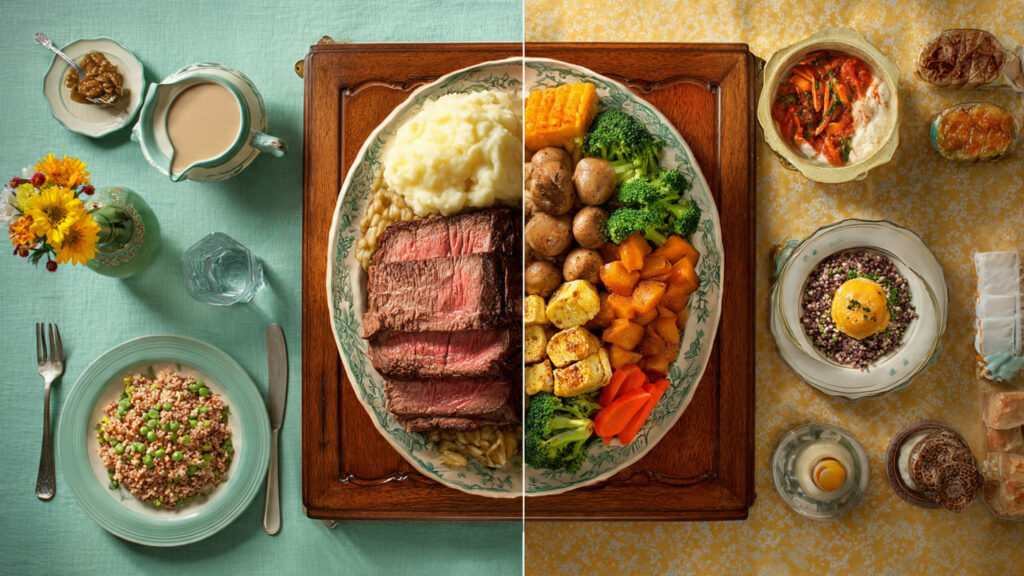
In the 1950s, a good Sunday dinner was defined by a specific culinary ritual. Families across the United States typically gathered in the early afternoon for a meal that centered on a large cut of meat, most often a slow-roasted beef. This era was characterized by a sense of stability and traditionalism. The “Sunday Roast” was more than just a meal; it was a symbol of post-war prosperity and the strength of the nuclear family. A typical 1950s Sunday dinner idea followed a strict formula. The roast beef was almost always accompanied by:
- Mashed potatoes with a deep well for thick, brown gravy.
- Boiled or canned vegetables like peas, carrots, or green beans.
- Soft dinner rolls served with plenty of butter.
- A gelatin-based salad or a simple wedge of iceberg lettuce.
This meal was labor-intensive, often requiring the cook to spend several hours in the kitchen while the meat slowly reached perfection. The flavors were savory, salt-forward, and intentionally consistent from week to week.
Cultural Shifts and the Introduction of Global Cuisine
As the decades progressed, the rigid boundaries of the traditional roast began to dissolve. The 1960s and 1970s introduced more diverse influences into the American kitchen, as travel became more accessible and cultural exchanges increased. The singular Sunday dinner meal began to compete with new favorites like Italian-American pasta “Sunday Sauce” or seasoned pot roasts that incorporated ingredients like soy sauce or red wine.
By the time the late 20th century arrived, the evolution toward a global table was in full swing. Families began to view Sunday as an opportunity to experiment. Instead of the mandatory beef roast, a Sunday dinner idea might include a large batch of tacos, a platter of chicken parmesan, or even a homemade curry. This shift reflected a more adventurous palate and an appreciation for the different cultures that make up the modern American landscape.
The Rise of the Healthy Sunday Dinner
In recent years, the evolution of this weekly tradition has taken a turn toward nutrition and intentional eating. While the 1950s version was calorically dense, the modern healthy Sunday dinner often prioritizes whole grains, lean proteins, and plant-forward sides. People are now looking for Sunday dinner meal ideas that feel celebratory without the heavy “food coma” associated with the traditional beef-and-potato combo. Modern variations often include:
- Roasted salmon with lemon and asparagus.
- Mediterranean grain bowls featuring quinoa, chickpeas, and fresh herbs.
- Lean turkey or plant-based roasts as a direct alternative to red meat.
- Seasonal salads that use kale, spinach, and vinaigrettes instead of creamy dressings.
This focus on wellness ensures that the tradition remains relevant for a generation that values longevity and balanced living alongside family connection.
Comparing Then and Now: Flavor and Convenience
The most striking difference between the 1950s and today is the level of convenience and flavor variety available to the home cook. In the mid-century, a good Sunday dinner relied on what was available at the local butcher. Today, global trade and technology have made ingredients like harissa, miso, and lemongrass staple items in many household pantries.
Modern Sunday dinner meals are also more adaptable to different lifestyles. While the 1950s meal was almost always served at midday, today’s dinner is typically an evening affair. Furthermore, the use of modern appliances like slow cookers and air fryers allows families to achieve deep, slow-cooked flavors in a fraction of the time, making the “Sunday Roast” feeling achievable even for busy households.
Frequently Asked Questions
What was the typical centerpiece of a 1950s Sunday dinner? The most common centerpiece was a roast beef, though roasted chicken or a baked ham were also popular alternatives. The focus was always on a large, high-quality cut of meat that could feed the entire extended family.
Why did Sunday dinner shift from midday to evening? In the 1950s, the meal followed morning church services, making an early afternoon feast a natural fit. As social schedules and church attendance patterns changed, the meal gradually moved to the evening to serve as a final “reset” before the Monday morning work and school rush.
How can I make a traditional Sunday dinner more healthy? You can create a healthy Sunday dinner by choosing leaner cuts of meat, such as sirloin or tenderloin, and replacing traditional mashed potatoes with roasted cauliflower or mashed sweet potatoes. Increasing the ratio of roasted vegetables to meat is another effective way to modernize the meal.
What are some popular global Sunday dinner meal ideas? Popular choices today include family-style taco bars, large pans of vegetable paella, Moroccan-inspired lamb stews, and Japanese-style “hot pot” meals where everyone cooks their own ingredients in a shared broth.
Conclusion: A Lasting Legacy of Connection
The transition from the 1950s roast beef to the global cuisine of today proves that while menus change, the importance of the ritual does not. Whether you are following a 1950s Sunday dinner idea or serving a modern, international feast, the goal remains to pause and appreciate time spent together. The evolution of the Sunday table is a celebration of how far our culinary horizons have expanded, allowing us to honor the past while embracing a more diverse and healthy future.
Reference Articles:
- The History of the American Family Meal
- Cultural Impacts on Modern American Home Cooking
- Nutrition Shifts: From 1950s Comfort to Modern Wellness