Storage Solutions Designed for Space Optimization
Storage solutions designed for space optimization turn wasted volume—like closet height, corners, door backs, and under-bed space—into organized, easy-to-use zones. This guide walks through an audit process, compares custom and modular approaches, and explains how to optimize closets, walk-ins, and key rooms with clear categories, better visibility, and maintainable routines that reduce clutter over time.
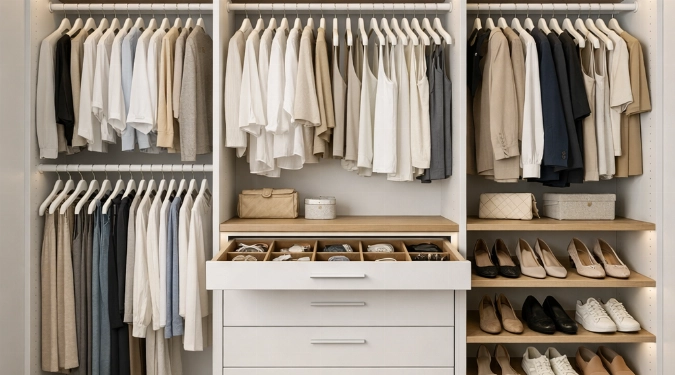
A home can feel cramped fast when storage is accidental instead of planned. Storage solutions designed for space optimization focus on using wall height, corners, and “dead” zones—so everyday items live where you actually use them, without adding visual clutter.
Start With A Space-Optimization Audit
Before buying anything, map what you store and where it piles up. Walk room to room and note three things: items used daily, items used seasonally, and items you keep “just in case.” Space optimization works best when daily-use items get the easiest access, while seasonal gear moves up high, down low, or into secondary zones.
Next, measure the problem areas (width, depth, and height) and identify wasted volume: the top shelf in closets, the back of deep cabinets, the inside of doors, and the void under beds. These are the spots where a small change—like an extra shelf, pull-out tray, or labeled bin—often creates the biggest relief.
Closets That Use Every Inch
Closets are prime real estate because they already hide visual noise. The goal is to convert a single rod-and-shelf setup into zones for hanging, folded items, shoes, and accessories—each with the right height and reach. If you’re renovating or building, built-in closets can use custom depths and full-height panels to eliminate awkward gaps where things disappear.
For existing closets, closet organizers are most effective when they add vertical stacking (double-hang sections, sweater shelves) and prevent “leaning piles” (dividers and drawers). A useful rule: if you can’t see it, you won’t use it—so favor shallow shelves, clear categories, and consistent containers.
Custom Vs. Modular: Picking The Right System
Space optimization isn’t one-size-fits-all. Custom wardrobe cabinets can be designed around your exact inventory—like long-hang space for dresses, dedicated cubbies for handbags, or drawer heights sized to folded tees. They’re especially helpful in older homes where walls aren’t perfectly square and standard components leave wasted slivers.
If you want flexibility, modular closet systems are designed to reconfigure as your needs change. They typically use adjustable uprights, movable shelves, and add-on drawers, making them practical for renters, growing families, or anyone who expects their storage to evolve over time.
| Option | Best For | Space-Optimization Strength | Watch Outs |
|---|---|---|---|
| Custom Build | Odd layouts, high inventory, long-term homes | Minimizes wasted gaps and tailors every zone | Longer planning and installation timeline |
| Modular System | Changing needs, quicker upgrades | Adjustable heights and easy add-ons | May leave small unused spaces in tight corners |
| Hybrid | Most households | Targets custom where it matters, modular elsewhere | Requires a clear plan to stay cohesive |
Walk-In Layouts That Prevent “Storage Creep”
Good walk-in closet design isn’t about size—it’s about circulation and visibility. Keep the center clear enough to turn comfortably, and place the most-used categories along your natural path (for many people: shoes and daily clothes closest to the entry). Use corners for shelves or angled hanging so the far ends don’t become forgotten zones.
Lighting also supports space optimization. Bright, even lighting reduces the tendency to overbuy duplicates because you can’t find what you already own. Motion-activated closet lights and LED strips under shelves can make small closets feel easier to manage without changing the footprint.
Room-By-Room Space Gains That Add Up
Space optimization works best when each room stores only what belongs there. In kitchens, prioritize vertical risers, pull-out shelves, and drawer dividers so you don’t stack tools on top of tools. In bathrooms, use narrow rolling carts or over-toilet shelving for backup supplies, and keep counters clear by assigning daily items to a tray or shallow drawer insert.
In living areas, choose furniture that hides storage in plain sight: lift-top coffee tables for remotes and chargers, ottomans for throws, and media consoles with cord management. In bedrooms, under-bed bins and headboards with shelving can turn unused cubic feet into calm, predictable storage.
Wardrobe Storage That Stays Organized
The most durable wardrobe storage solutions rely on repeatable habits: one bin per category, labels that match how you think (“Gym,” “Work,” “Winter”), and a simple reset routine. If your closet regularly overflows, it often means the system lacks a buffer—add an “inbox” basket for items to put away later and schedule a quick weekly reset.
To avoid re-cluttering, build in limits. For example, dedicate one shelf to sweaters and stop when it’s full, or assign one drawer to accessories. These boundaries make it easier to maintain order without constant reorganization.
FAQs About Space-Optimized Storage
What’s The Fastest Way To Optimize Storage Without Renovating?
Start by reclaiming vertical space: add a second hanging rod, stackable shelves, or over-door organizers. Pair that with consistent containers so shelves don’t become mixed piles. The “fast” win is visibility—once items have a clear home, you spend less time shifting clutter around.
Should I Choose Open Shelving Or Closed Storage?
Closed storage typically keeps spaces feeling calmer because it hides visual noise, while open shelving can work well for curated, frequently used items. A practical mix is common: closed cabinets for bulk and backups, open shelves for a small set of everyday essentials.
How Do I Plan Storage For Seasonal Items?
Store seasonal items in harder-to-reach zones: top shelves, under-bed bins, or deep cabinet areas. Use sturdy, labeled containers and group by season and activity (holiday decor, snow gear, beach gear). This keeps daily zones clear and reduces the urge to “shove and shut.”
When Does It Make Sense To Go Custom?
Custom solutions often help most when your space has unusual dimensions, you need specialized compartments, or you want a built-in look that uses wall height perfectly. If your needs change often, a modular approach may be easier to adapt over time.
Conclusion
Storage solutions designed for space optimization come down to three moves: measure and zone your items, use vertical and hidden volume, and choose systems—custom or modular—that match how you live. With clear categories and the right fixtures, your home can store more while feeling lighter and easier to maintain.
Disclaimer: The information provided in this article is for educational and informational purposes only. It does not constitute professional advice. Readers should conduct their own research and consult with qualified professionals before making any decisions.