
Stroke Recovery Tools That Are Changing Lives
Stroke recovery can be a long and demanding journey, often affecting mobility, coordination, speech, and independence. In recent years, a growing range of stroke recovery tools has transformed rehabilitation by making therapy more accessible, personalized, and effective. From advanced stroke recovery devices to practical home rehab solutions, these innovations are helping survivors regain function and improve quality of life after stroke.
Why Recovery Tools Matter After Stroke
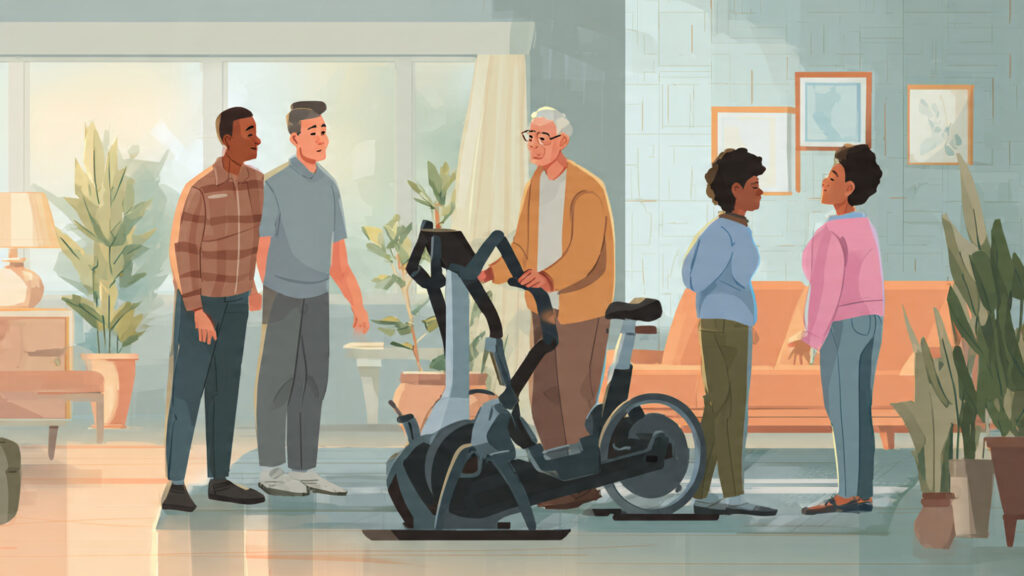
After a stroke, consistent rehabilitation is essential to support neurological recovery and prevent long-term disability. While hospital and outpatient therapy play a critical role, many survivors spend most of their recovery time at home. Stroke recovery tools help bridge this gap by allowing individuals to continue therapy outside clinical settings.
These tools support the brain’s natural ability to rewire itself, known as neuroplasticity, through repetitive, guided movements. Regular use of rehabilitation tools helps reinforce motor skills, rebuild strength, and restore confidence in daily activities. They are particularly valuable for people with limited access to in-person therapy or those needing frequent practice between sessions.
Mobility and Gait Rehabilitation Tools
Mobility challenges are among the most common effects of stroke. Modern stroke rehab tools focus heavily on restoring walking ability, balance, and lower-body coordination.
- Robotic gait trainers and exoskeletons assist users in standing and stepping safely, allowing repetitive walking practice with guided support.
- Balance trainers and stability equipment help retrain posture, weight shifting, and coordination, which are essential for safe walking.
- Stationary bikes and pedal exercisers support controlled leg movement, helping strengthen muscles and improve circulation while reducing fall risk.
These mobility tools allow survivors to practice walking-related movements in a safe environment, accelerating progress and reducing fear of movement.
Upper-Limb and Hand Recovery Devices
Stroke often impacts arm and hand function, making daily tasks such as eating, dressing, and writing difficult. Upper-limb rehabilitation tools are designed to rebuild strength, coordination, and fine motor control.
- Electrical stimulation devices activate weakened muscles using gentle pulses, helping improve control and reduce muscle loss.
- Smart rehabilitation gloves guide hand and finger movements while tracking progress, encouraging consistent practice.
- Grip strength tools and resistance putty help improve finger dexterity and hand strength over time.
These tools are especially useful for home rehab and are often recommended alongside occupational therapy programs.
Technology-Driven Stroke Rehabilitation
Technology has become a powerful force in modern stroke recovery, making therapy more engaging and adaptable.
- Virtual reality-based rehab systems immerse users in interactive environments that encourage movement, balance training, and cognitive engagement.
- Tele-rehabilitation platforms allow survivors to receive professional guidance remotely, ensuring continued support from therapists.
- Motion-based gaming systems transform repetitive exercises into interactive activities, helping improve motivation and consistency.
By combining therapy with technology, these tools make rehabilitation more enjoyable while maintaining clinical effectiveness.
Adaptive Tools for Daily Living and Safety
Recovery after stroke is not limited to structured exercises. Adaptive tools help survivors regain independence in everyday life.
Common aids include grab bars, shower chairs, raised toilet seats, adaptive utensils, and mobility aids such as walkers or canes. These tools reduce fall risk, support safe movement, and allow individuals to perform daily tasks with greater confidence.
Adaptive equipment plays a vital role in improving long-term independence and overall quality of life for stroke survivors.
Conclusion: Stroke recovery tools are changing lives by extending rehabilitation beyond traditional clinical settings. From mobility and hand recovery devices to advanced tech-based rehab systems and adaptive daily living aids, these tools support consistent progress, independence, and confidence. By incorporating the right stroke recovery tools into daily routines, survivors can actively participate in their rehabilitation journey and achieve meaningful improvements over time.